
Caulking in Joliette
Residential, Commercial, Institutional and Condominiums in LanaudièreRepair of sealant joints around doors, windows, spandrels and masonry. RBQ licensed team, high-end products, 10-year limited warranty.
Caulking Contractor in Joliette and Lanaudière
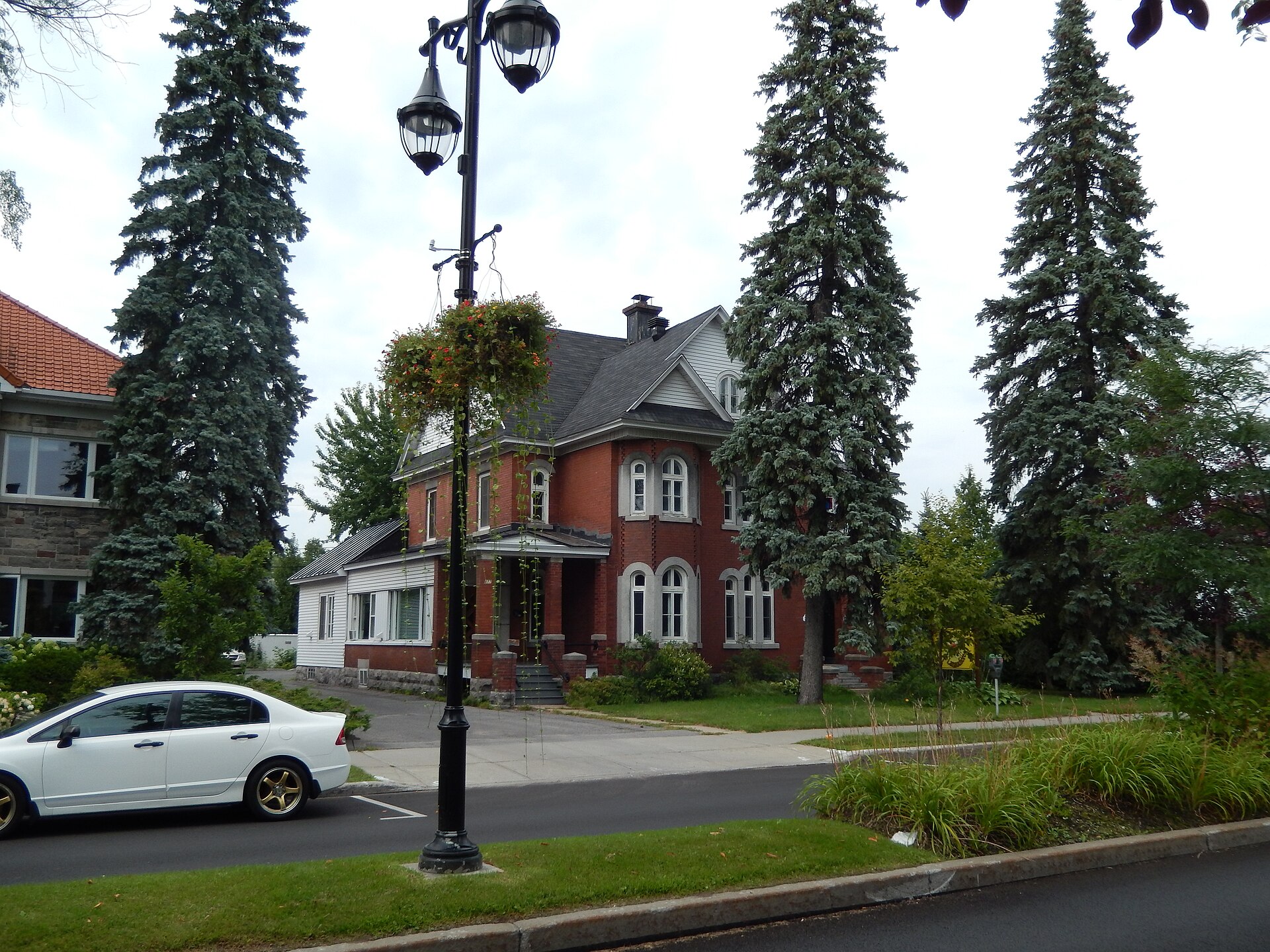
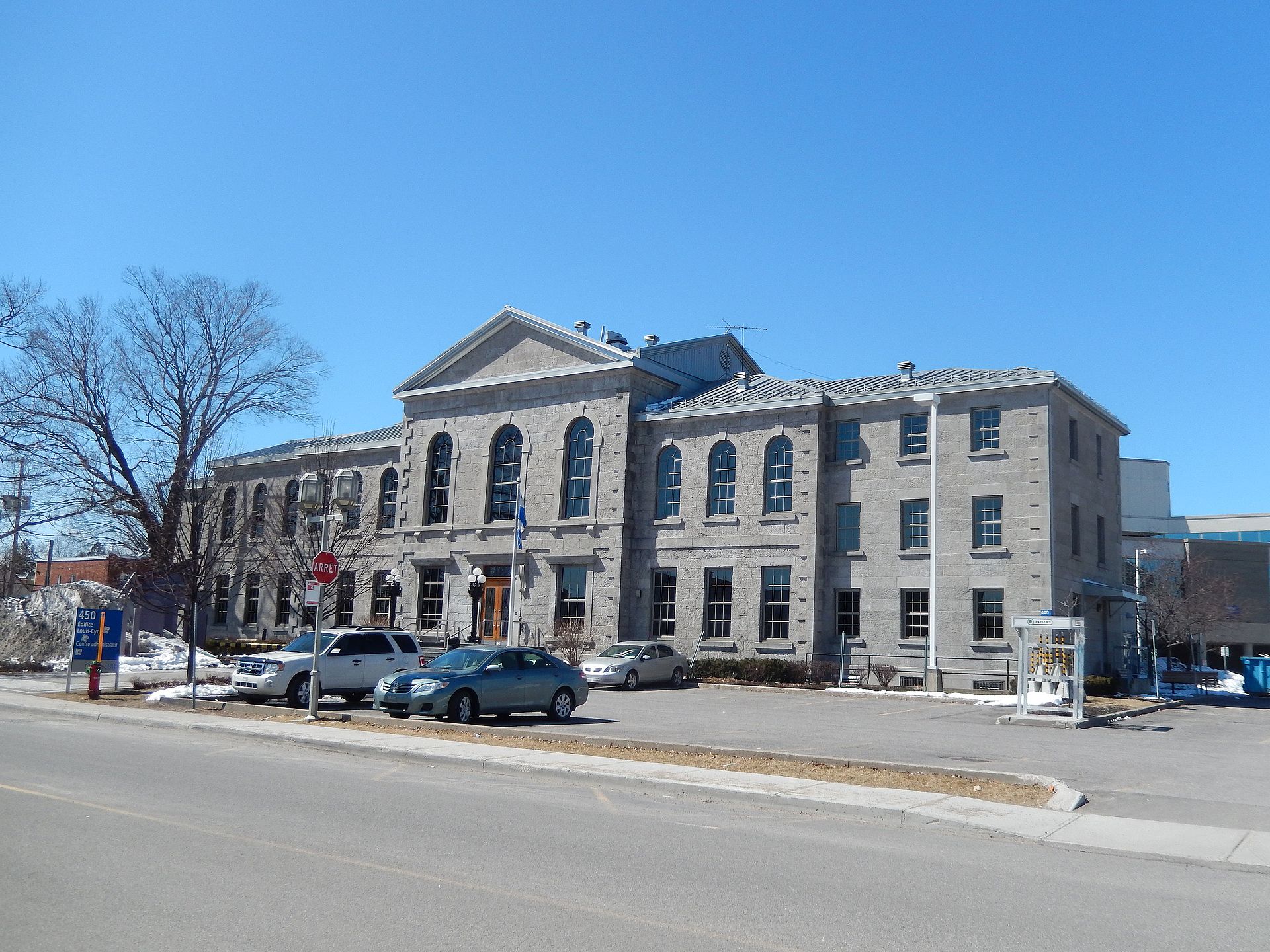
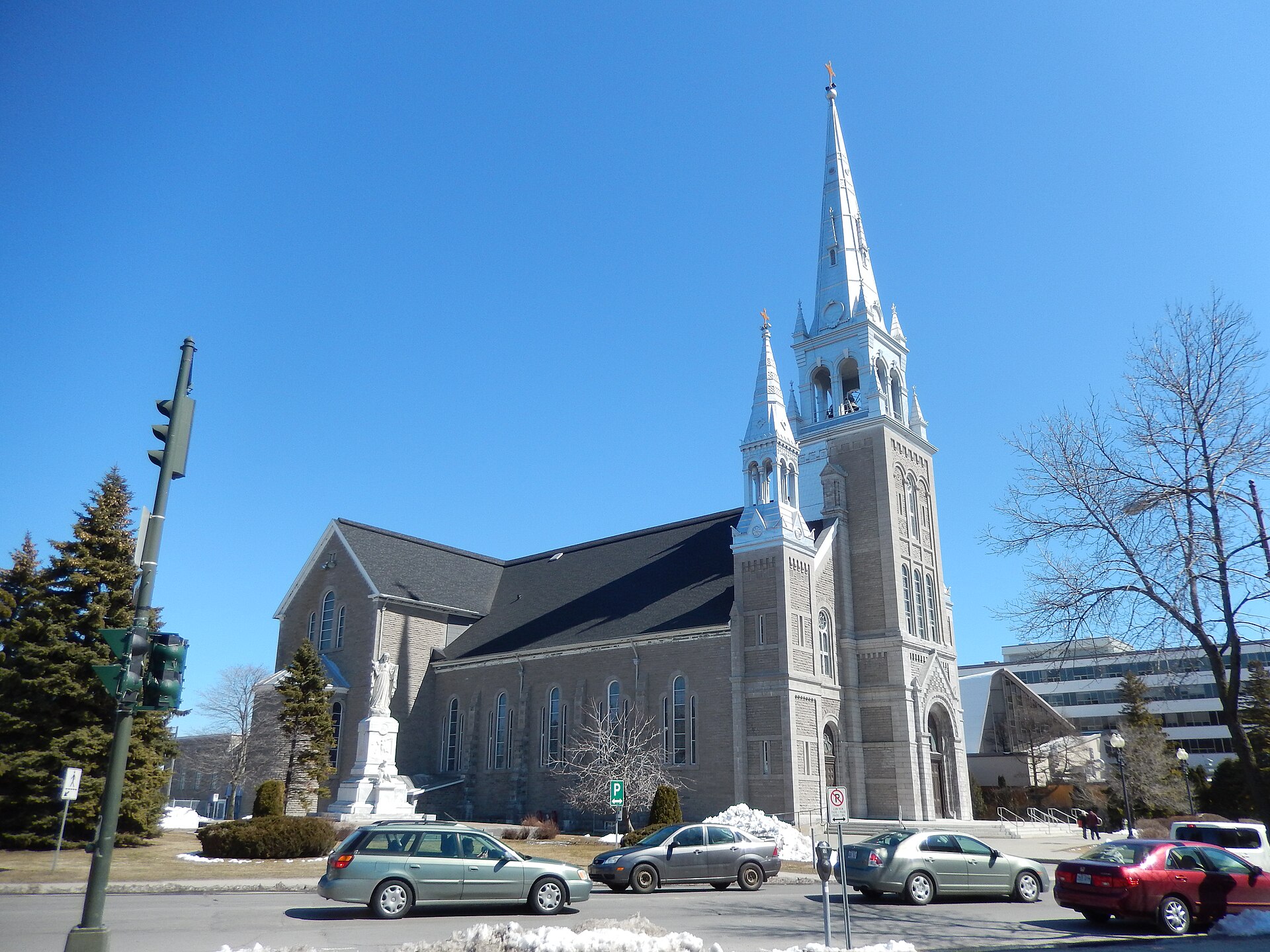
Joliette had a population of 21,384 at the 2021 census, up 4.4% since 2016. It is the central city of the MRC and the Lanaudière service hub, which explains the diversity of its buildings: early 20th-century clay brick workers’ houses, plexes from the 1950s to 1970s, suburban bungalows, rental buildings, seniors’ residences, schools, a regional hospital, a CEGEP, an 1860 courthouse and a cathedral. Each family of building ages in its own way and requires a suitable sealant treatment.
Calfeutrage Élite intervenes in Joliette for the repair of door and window seals, masonry joints, spandrel repairs, fire caulking and thermos glass replacement. We work on a cottage in the Christ-Roi sector as well as on an eight-storey condominium building , with the work at height equipment required by the CNESST.
The company is RBQ licensed, our caulkers hold their CCQ competency card, we are one of the suppliers recommended by CAA-Quebec and each site is covered by a 10-year limited warranty. You can browse our achievements, see the details of our process and deadlines or request a free quote.
Why Joints Age Fast in Joliette
The Lanaudière plain enjoys a slightly milder climate than the Laurentians, with an average annual temperature of around 5 °C. This relative softness does not protect the joints, on the contrary. What destroys a sealant are freeze-thaw cycles, and Joliette accumulates a lot of them with its January thaws and early springs.
Each cycle works on openness. Between a January night at minus 28 °C and a July afternoon at 31 °C, the surface temperature of a frame varies by more than 60 degrees. Aluminium expands, PVC expands about twice as much, brick moves little and wood swells with moisture. The sealant joint is the only piece of the wall that absorbs these differential movements. An inadequate product, or one that is installed without a joint bottom, hardens, loses its elasticity and allows air to pass through after two or three winters. The subject is explained in detail on our air infiltration pages and when to redo the joints.
The L’Assomption River and the humidity of the plain
The L’Assomption River crosses Joliette from north to south and separates the city from Saint-Charles-Borromée. Waterfront areas experience higher humidity levels in the spring and fall, as well as frequent morning fogs. Combined with the winds from an open plain that push rain on the west and southwest facades, this moisture creates a driving water pressure on the perimeter joints. This is the classic scenario of water infiltration through the spandrels and through the junction between the frame and the masonry, also described on our masonry and spandrel page.
The urban core does not help. A good part of the housing in downtown, Saint-Jean-Baptiste and Christ-Roi dates from before 1980, so before the widespread use of elastomeric sealants. Genuine oil or latex-based gaskets are long past their useful life, and many have already received a retrofit or two coats that must be completely removed.
The eight sectors of Joliette
The city is divided into eight official sectors. Each has its dominant construction period, and therefore its typical weaknesses.
| Dominant built environment | Most frequent caulking issue | |
|---|---|---|
| Downtown East | Street shops, offices, housing above the premises | Glass-aluminium windows and junctions, interventions outside opening hours |
| Downtown West | Institutional buildings, ashlar, clay brick | Masonry joints and stone spandrels, product compatibility with porous substrates |
| Saint-Jean-Baptiste and Carrefour-du-Moulin East | Pre-war workers’ homes and plexes | Warped wood frames, joints too wide, old hardened sealants to be completely removed |
| Christ-Roi | Est Bungalows and cottages from 1955 to 1975 | Windows replaced without rework of the perimeter joint |
| Bélair and Christ-Roi West | Post-War Residential, Composite Siding | Transitions Brick, Decline and Plaster, where three materials meet at the same joint |
| Sainte-Thérèse | Dense residential, rental buildings, seniors’ residences | Large opening volumes, phase planning, access by cherry picker |
| Saint-Pierre South and Carrefour-du-Moulin West | Mixed-use areas, small buildings, light commercial | Service doors, docks and thresholds, traffic-resistant sealant |
| Saint-Pierre Nord | Recent developments, homes from 2000 and up | First repair cycle, builder’s sealant nears end of life |
We also cover the rest of the MRC: Saint-Charles-Borromée, Notre-Dame-des-Prairies, Saint-Paul, Saint-Thomas, Saint-Ambroise-de-Kildare, Sainte-Mélanie, Notre-Dame-de-Lourdes, Crabtree and Village Saint-Pierre.
Seven Signs You Need to Redo Your Joints
Most homeowners notice a symptom on the inside first, even before they look at the joint.
- A perceptible draught around the frame in high winds.
- A hard, cracked sealant that no longer springs back under the nail.
- Detachment on only one side of the seal, a sign of a broken adhesion rather than wear.
- Whitish slides, efflorescence or dark spots under the spandrel.
- Persistent condensation on the frame. If the fog is caught between the two windows, it is rather the sealed unit that is to blame, as explained on our page on window fogging.
- Insects that enter in the fall through the same openings as cold air, which is what pest control caulking treats.
- A heating bill that is rising without any change in habits or prices.
When in doubt, an infrared thermography inspection locates air leaks through the wall without demolition. See also the HD camera inspection and our thermography and infiltration file.
Our Repair Method
Professional caulking is not a layer of sealant applied on top of the old one. It is a complete repair of the joint, in six stages.
- Inspection and survey. We measure the actual width and depth of each joint, identify substrates, and spot areas where water has already penetrated.
- Removal of the old sealant. Mechanical cutting to the healthy substrate, without residue.
- Cleaning and priming. Dusting, degreasing and application of an adhesion primer to porous substrates such as stone or brick.
- Installation of the joint base. A calibrated cylindrical foam imposes the correct geometry and prevents adhesion on three sides, a necessary condition for the elasticity of the joint.
- Sealant application. Continuous extrusion under pressure, without bubbles, with a product chosen according to the substrate, exposure and color of the coating.
- Smoothing and control. Concave smoothing, inspection of each opening and restoration of the premises.
If you’re hesitating between entrusting the work to a team and doing it yourself, our do-it-yourself page honestly lays out the limits of the approach, and our 10 quick tips summarize the essentials.
Free submission
A caulking maker comes to Joliette, measures your joints and gives you a clear price, with no fees or commitments.
450-473-3548
info@calfeutrage-elite.com
Our Services
Window caulking
Masonry seals
Masonry and caulking
Repair of spandrels
Fire caulking
Fire and safety installation
Condominiums
Condos
Commercial
Industrial
Working at height
Rope descent
Work in a basket
Thermos windows
Parts and mechanisms
Infrared thermography
Pest Control Caulking
Our projects
Window caulking
Commercial site
Condominium
Height caulking
Fire Stops
CAA Recommended
All projects
Photo gallery
Sealants
Sealant Overview
Silicone or polyurethane
NP1 from Sonneborn
Mulco Sealant
Adfast Adseal 4580
Type and color
White sealant
White or ultra white
The company
About us
Mr. Caulking
10-year warranty
Competency Card
CNESST regulations
Lifting Permit
Deposit and payment of work
CAA-Quebec Recommended
Contact Us
Which sealant for which use
There is no one-size-fits-all product. The choice depends on the substrate, the expected movement, the exposure to the sun and the desired finish.
| Family | Typical Usage | Strengths | Limitations |
|---|---|---|---|
| Polyurethane | Perimeter seals of windows and doors, masonry, spandrels | Very good adhesion to brick and concrete, abrasion resistant, can be painted | Less stable to UV rays than silicone over very long exposures |
| Silicone | Glass, anodized aluminum, curtain walls, washrooms | High capacity for movement, excellent UV resistance, flexibility maintained in extreme cold | Not paintable, delicate adhesion to porous substrates without primer |
| Polymer hybrid | Mixed substrates, visible joints, new coatings | Compromise between the two families, low odour, wide choice of colours | Higher cost, product to be validated according to the technical data sheet |
| Acrylic latex | Interior touch-ups, mouldings | Easy to smooth, paints well | movement capacity, to be avoided outdoors in Quebec |
| Expanding foam | Filling a void behind the joint only | Fills large voids | It is not a sealant. It absorbs water, degrades with UV rays and can deform a frame |
We work with the Mulco and Adseal 4580 ranges from Adfast, among others. The choice of colour is as important as the choice of product on a brick façade: see type and colour of sealant and white or ultra white.
What determines the price in Joliette
We do not publish a price per linear foot, because a serious price is calculated on the spot. Here are the variables that really move the bill.
| Variable | Lowers the cost | Increases the cost |
|---|---|---|
| Number of openings | Bungalow from 10 to 14 openings | Rental building or condominium of several dozen units |
| Height and access | One or two floors accessible by ladder | Basket, scaffolding or rope descent, with permit and signage |
| Condition of existing joint | Recent sealant, easy removal | Overlapping layers, cured silicone, joints too wide to reprofile |
| Clean PVC and aluminium | substrates | Stone, crumbled brick or damaged wood requiring priming and preparation |
| Product required | polyurethane, stock tint | High performance silicone or special custom tint on order |
| Season | Off-peak planning, spring to early summer | Emergency in late fall, when demand is highest |
Some envelope improvement work is eligible for assistance programs: see LogiRénov. On the return on investment, read about a profitable investment and the importance of savings. For instructions, see Quotes, Evaluations and Quotes.
Commercial and institutional buildings
Joliette is home to Lanaudière’s major facilities: regional hospital, CEGEP, schools, courthouses, municipal buildings, shopping centres and professional offices. These buildings impose three constraints that the single-family home does not have.
First of all, the continuity of operations. We don’t close a clinic or a school to redo joints, so we plan by façade, by floor or outside of peak hours, and we coordinate the signage of pedestrian areas.
Then fire safety. Penetrations of fire-rated walls and floors require certified products and documented installation, which is considered fire-rated caulking and fire-resistant gaskets, as distinct from waterproofing caulking.
Finally, the height: articulated basket, scaffolding or rope work depending on the configuration, with a lifting permit and compliance with CNESST rules. See also our offer of industrial caulking and commercial site realization.
Ancient masonry and heritage buildings
The institutional core of Joliette, including the Saint-Charles-Borromée cathedral erected between 1887 and 1892, illustrates the difficulty well. On older masonry, a poorly chosen sealer does more harm than good: it is too rigid and transfers stress to the stone; Too vapour-tight, it traps moisture in the wall and accelerates frost bursting.
We therefore treat the seal as an element of water management and not as a clog. This means respecting the existing drains, never obstructing the weeping pipes, choosing a product compatible with the mortar in place and taking back the spandrels, which are almost always the real point of entry for water.
To deepen: masonry joint, masonry and caulking, spandrels and masonry and spandrel.
When to do the work
| Period | Conditions | What to do |
|---|---|---|
| April to June | Stable temperatures, dry substrates after thaw | The best window: complete repair, recovering of spandrels, masonry work |
| July and August | Heat, joints in maximum compression | Good time for large construction sites and condominiums, avoiding installation in direct sunlight on the south façade |
| September and October | Ideal temperatures, but high demand | Book early. This is also the time to block the entry of insects before the first frosts |
| November to March | Cold, frost, wet or frosty substrates | Targeted and emergency response only, with cold weather products. The general repair awaits the spring |
Our page when to replace window sealant details the signs to look out for from one season to the next.
Our work in video
Two capsules from our channel to see concretely what we do in your area.
The steps of window caulking in 1 min 20
Removal of the old joint, preparation of the substrate, joint bottom, extrusion and smoothing.
Why go to make a quote
This is what the caulker observes on the spot and which no price given over the phone can reflect.
All our capsules on the video page, the projects in the portfolio and the images in the photo gallery.
Our service area around Joliette
Based in Laval, our team covers the North Shore and goes up in Lanaudière by Route 131 to Highway 40, then the 640 to Terrebonne and Laval. Overview on our North Shore caulking page.
Lanaudière and the eastern suburbs
Repentigny, L’Assomption, Charlemagne, Lachenaie, Terrebonne, Mascouche.
Lower Laurentians
Saint-Lin-Laurentides, Sainte-Anne-des-Plaines, Saint-Jérôme, Saint-Colomban, Mirabel, Blainville, Boisbriand, Lorraine, Bois-des-Filion, Rosemère, Sainte-Thérèse, Saint-Eustache, Sainte-Marthe-sur-le-Lac, Deux-Montagnes.
Laval and elsewhere
Laval, Duvernay, Vimont, Sainte-Rose, Chomedey, Drummondville, Saint-Hyacinthe.
In the MRC de Joliette
Saint-Charles-Borromée, Notre-Dame-des-Prairies, Saint-Paul, Saint-Thomas, Saint-Ambroise-de-Kildare, Sainte-Mélanie, Notre-Dame-de-Lourdes, Crabtree and Village Saint-Pierre.
Questions
How much does it cost to caulk a house in Joliette?
How many times do the joints need to be redone?
Can you caulk in winter in Joliette?
Do I need to remove the old sealant or can I apply it on top?
Can expanding foam replace caulking?
Do you operate in all areas of Joliette?
Do you work on condominiums and rental properties?
Does caulking fix fogging between my windows?
What guarantee do you offer?
How long does it take before an intervention in Joliette?
More answers in our frequently asked questions.
Request your quote
Describe your building, house, plex, condominium, commercial or institutional building, and we will schedule a free appraisal visit in Joliette as soon as possible.
Phone: 450-473-3548
Email: info@calfeutrage-elite.com
Full contact details: contact page
RBQ licensed company. Caulkers who hold the CCQ competency card. CAA-Quebec recommended provider. 10-year limited warranty. We also hire caulkers.
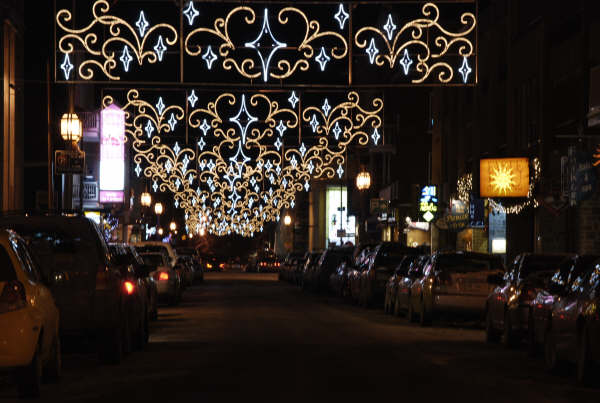
Photo credits: downtown Joliette, SDCJ, public domain. Notre-Dame Street in winter, Shirley Bishop, public domain. Saint-Charles-Borromée Cathedral, courthouse and residential street in Joliette, Fralambert, CC BY-SA 4.0, via Wikimedia Commons.
